Proxmox VE is open-source software for running servers as virtual machines and containers on your own hardware.
These posts cover running it day to day: clusters, storage (including Ceph), virtual machines and containers, networking, and backups.
Proxmox VE is open-source software for running servers as virtual machines and containers on your own hardware.
These posts cover running it day to day: clusters, storage (including Ceph), virtual machines and containers, networking, and backups.
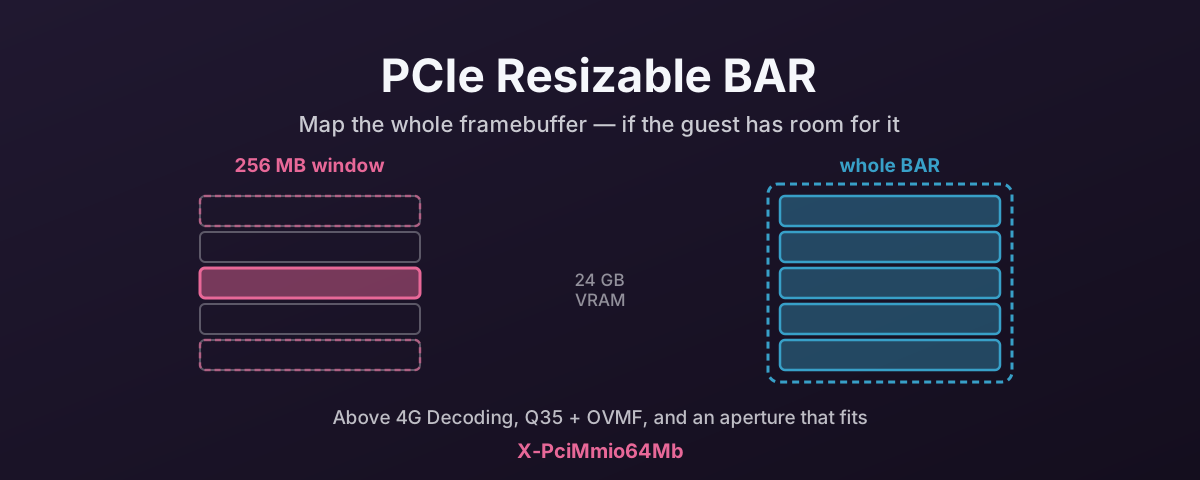
Resizable BAR lets the CPU map a GPU’s whole framebuffer instead of peering at it through a 256MB window. Intel calls it required for Arc, NVIDIA enables it per game, AMD sells it as Smart Access Memory — and for AI work it changes the transfer, not the maths.
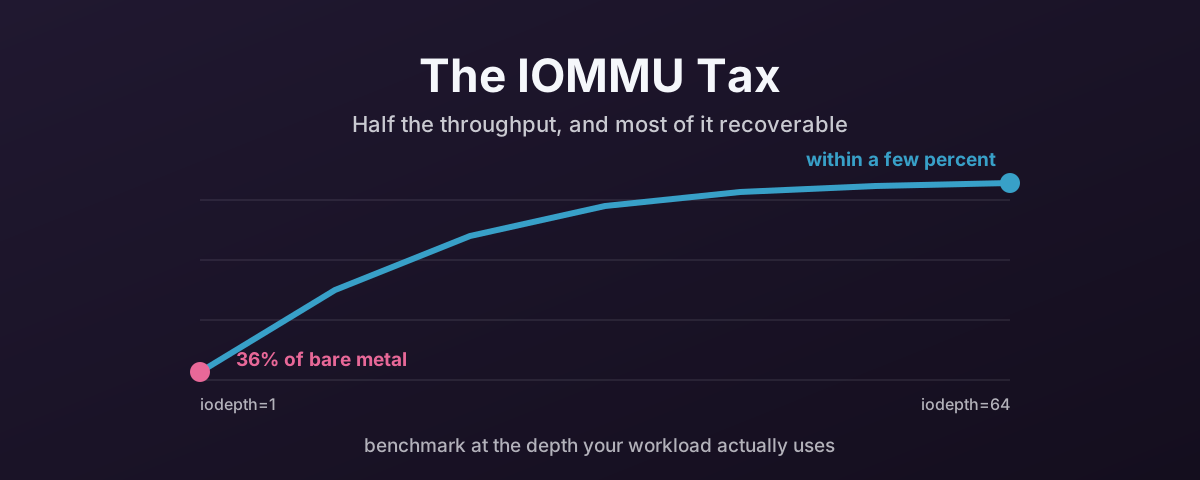
Why PCIe devices lose throughput when passed through to a VM via VFIO, and the practical tuning steps that claw most of it back.
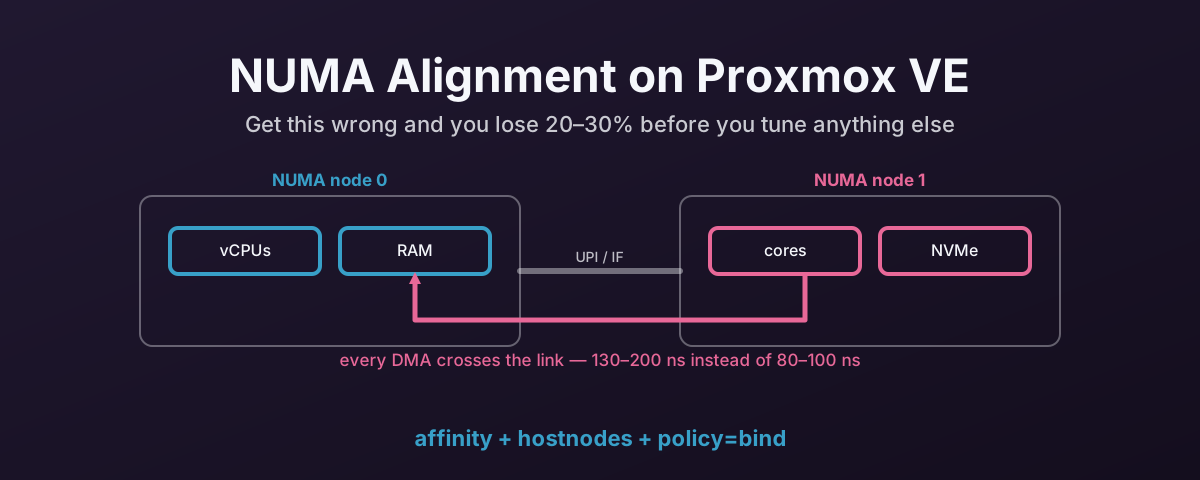
On multi-socket systems, a VM with its vCPUs on one NUMA node and its passed-through device on another loses 20–30% throughput before you’ve even looked at anything else.
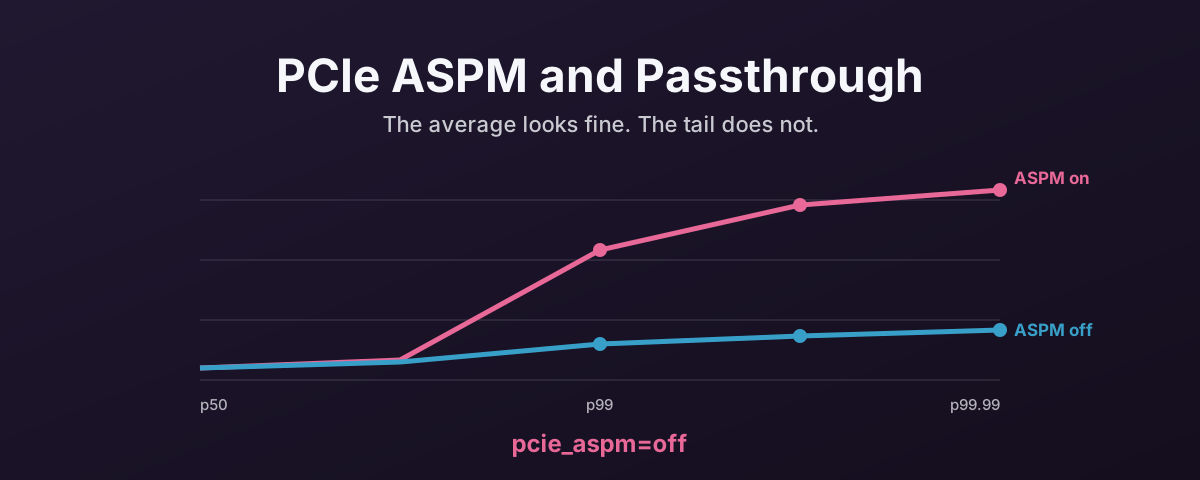
Active State Power Management saves a few watts on idle PCIe links. Under VFIO passthrough, it adds latency jitter that’s hard to diagnose and easy to fix.
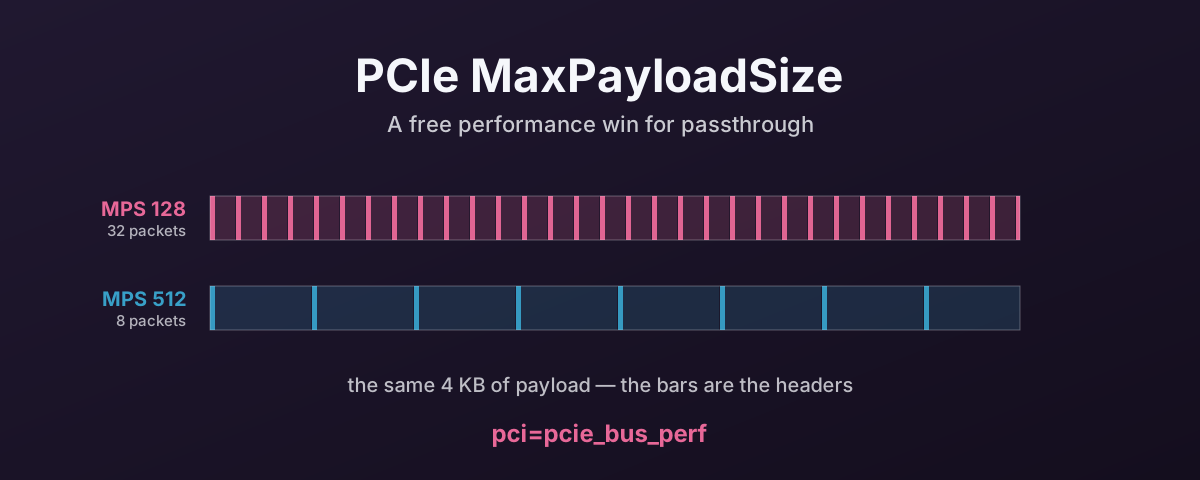
QEMU’s virtual root complex defaults to 128-byte TLP payloads. Most devices support 256 or 512. One kernel parameter fixes it.
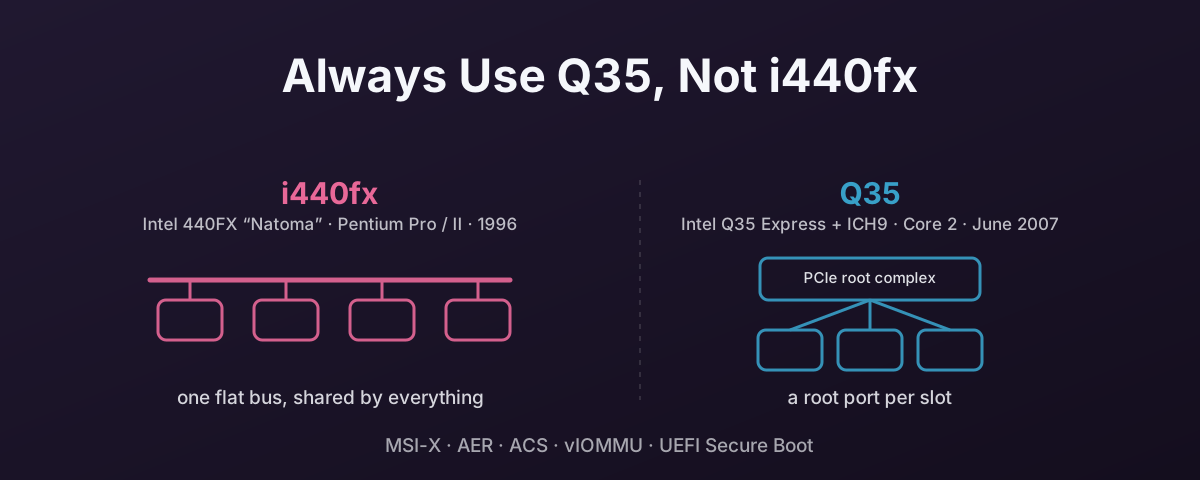
The two QEMU virtual chipsets are not interchangeable. Q35 provides a proper PCIe topology that passthrough, modern Windows, and the wider KVM ecosystem all depend on.